At the Easter Vigil when the Exultet is sung, we hear the words O happy fault, O necessary sin of Adam, which gained for us so great a Redeemer! Reflecting on these words can help us understand what Christ has done for us by His death and resurrection.
When the human being was first created, he was in a state of original justice. There was a relationship of trust and friendship between God and humanity. His body and soul were so united in accordance with God’s will, that the human soul had an inherent disposition which preserved the body from death and corruption.
The first sin of humanity was a betrayal of this trusting friendship with God. Humanity desired the wisdom and knowledge of God so that he might become equal to God and no longer subject to His will. With this great rebellion, the perfect order and harmony of creation was lost and humankind became subject to death. Even though this is all we deserve, God did not abandon us in this sorry state. He sent His only Son into the world so that death could be conquered and humankind’s original friendship with God could be restored.
 In St John's gospel we read that the High Priest Caiaphas said it is better that one man should die for the people, rather than that the whole nation should perish. The reasoning Caiaphas uses is rather like the reasoning some modern utilitarian philosophers use. But Jesus did not accept His own death because He wanted to preserve the status quo; rather, He freely accepted His death because He wanted God’s reigning presence to break forth into the world. In Christ’s death and resurrection we see that God’s justice is real. He vindicates the innocent; He is full of mercy, compassion and forgiveness; He loves us more than we can know.
With Christ’s conquering of death, it is not simply a matter of things being restored to how they were before the Fall - much more has happened. God has freely given to humanity that which humanity originally tried to take by force. Because God became truly like us, and died and rose again for us, we now have the opportunity of becoming truly like Him.


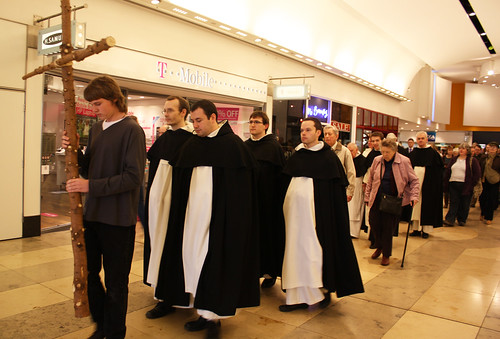


 Today’s readings focus on conflict, misunderstanding and the desire to silence those whom we disagree with or do not understand. To be in a situation where you are misunderstood or where what you say, true though it may be, is rejected is a very difficult situation to be in. To use a modern phrase “people don’t get you”. To be in a situation where people reject you because of what you believe and know to be true can be emotionally, and in drastic cases, physically painful. This is the situation that the prophet Jeremiah is in, in today’s readings.


 Snakes have a terrible reputation. Their anthropomorphic representations such as Kaa, The Lady of the Green Kirtle and Lord Voldemort, are always sly, cunning and evil characters. The Bible is bookended by the cunning serpent in Genesis and the “ancient serpent called the devil, or Satan, who leads the whole world astray”, in the Book of Revelation. Even Our Lord insults the Sadducees and Pharisees by calling them “serpents and a generation of vipers.” It is no surprise that Christians have often represented sin using the image of a serpent.

 John is the only evangelist to narrate the story of Jesus’ act of bringing the dead Lazarus back to life, although both Mark and Luke give examples of how Jesus restored life to the dead (Mark 5:23-23, Luke 7:11-17). There is, however, something particularly dramatic about the story in John. Here is a man who lay dead for four days and whose body had already started to decay. The raising of Lazarus represents the last and the greatest of the seven miracles or ‘signs’ in John’s Gospel. After this event no further miracles are recorded by John until the Lord’s own Resurrection. In fact, the ‘sign’ of Lazarus serves in a way to prepare people for the coming death of Jesus and to point to his conquest over death in the Resurrection.
 Just before the passage that we read in today’s Gospel, Jesus had been preaching during the Jewish festival of booths which commemorated the wandering of the Jewish people in the wilderness for forty years. Jerusalem is packed with pilgrims so Jesus has a large audience. We see that many Jews were deeply impressed by the substance of Jesus’ words. They recognised at once that what he said came from God for they felt that he was at least a prophet if not indeed the long awaited Christ, or anointed one. But others could not see this at all. Jesus did not fit into their fixed notion about what the Christ would be. He obviously does not fit into their expectations or categories.
